Climate change is not only a problem of carbon. It is a problem of power
Climate change is usually introduced through numbers: rising temperatures, shrinking water supplies, acres burned and tons of carbon released. Dr. Miriam Gay-Antaki asks us to look at another set of facts. Who was in the room when the policy was written? Whose knowledge counted? Who received the benefits – and who was left to absorb the harm?
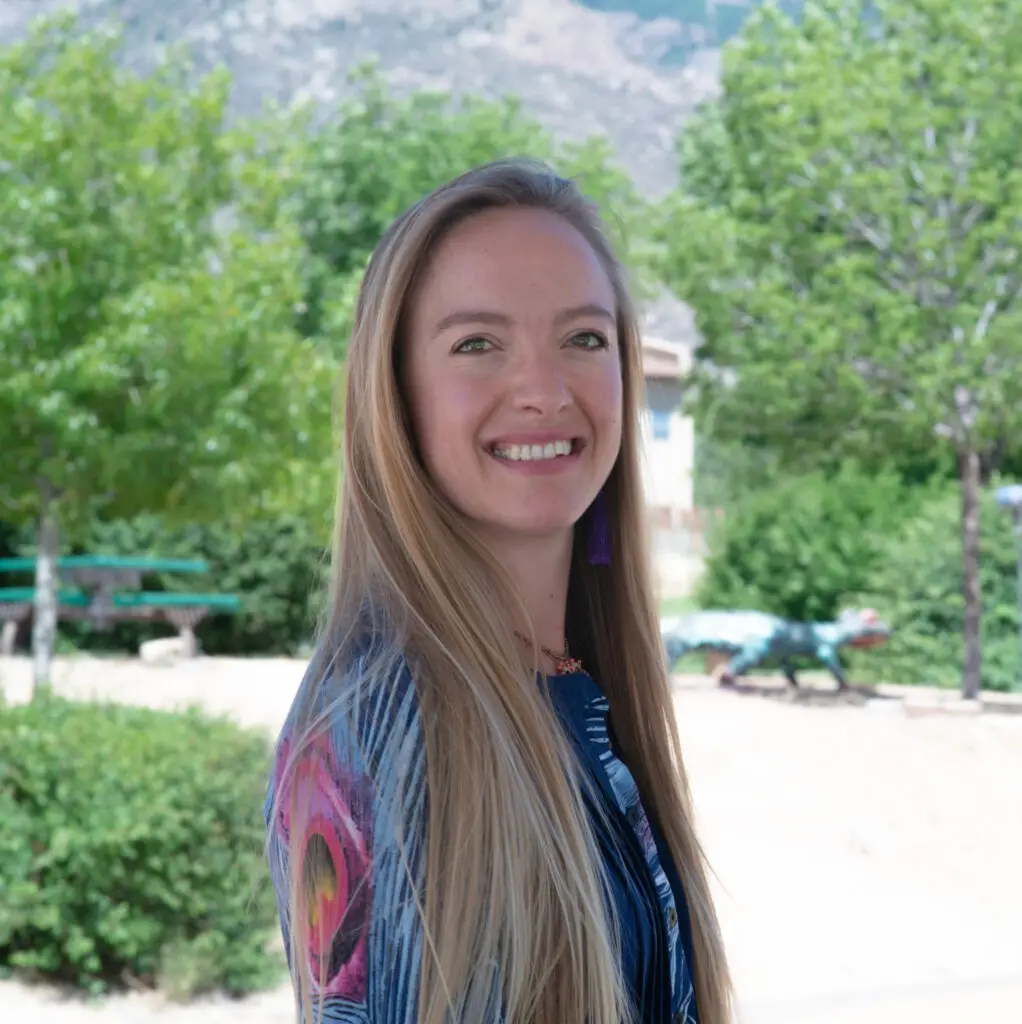
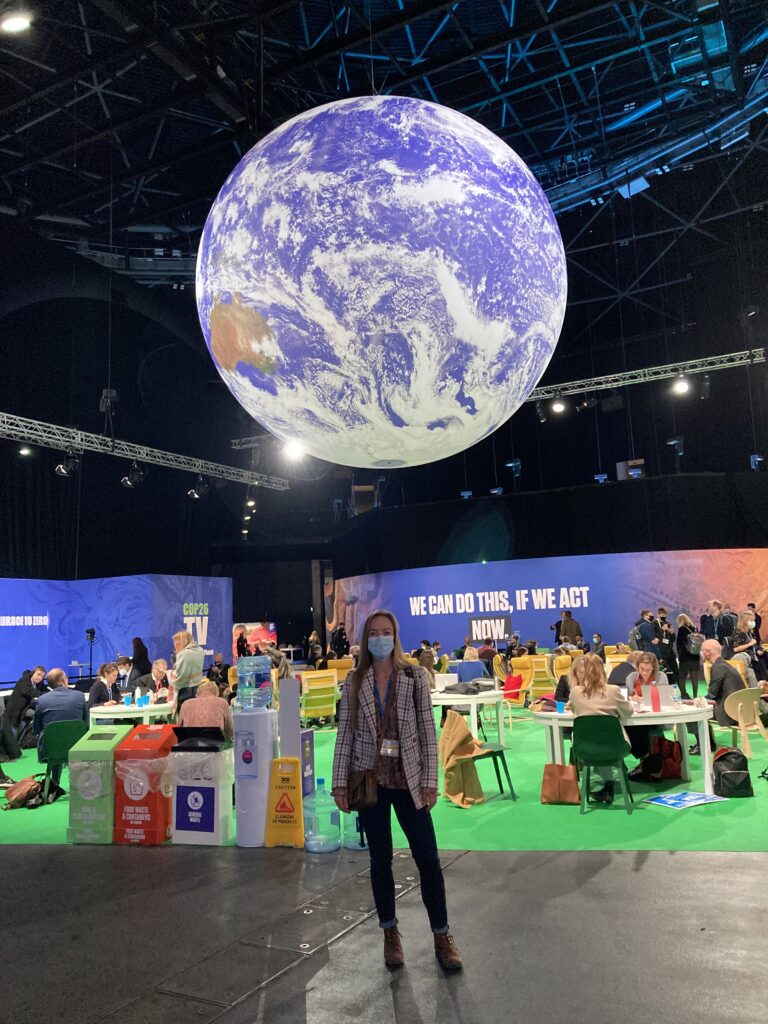
Gay-Antaki is an Assistant Professor of Geography and Environmental Sciences at the University of New Mexico. She also served in the first Gender Task Force of the IPCC. Gay-Antaki also served in the National Academies of Science, Engineering, and Medicine Committee to advise the US Global Change Research Program from 2020 until we got a stop work order in 2025. Her work follows climate policy from international negotiations and scientific institutions to the towns where those decisions become real. In a conversation with Your Lesbian World, she described a climate crisis that is inseparable from gender, race, class, colonial history and political power.
Feminist geography does not simply add women to an existing environmental story. It asks how the story was constructed in the first place. Gay-Antaki’s approach moves beyond a simple men-versus-women binary. Not all men hold equal power, and not all women experience environmental harm in the same way. Race, income, sexuality, disability, age, immigration status and geography all shape a person’s exposure to danger and ability to recover.
That distinction matters because broad statements — ‘we caused climate change’ or ‘we are all in the same boat’ — can hide more than they reveal. Fossil-fuel dependence was not created equally by every person on Earth, and its benefits and costs have never been shared evenly. Gay-Antaki directs attention away from individual guilt and toward the structures that organize extraction, consumption and political influence. Patriarchy, capitalism and colonialism are not side issues in this analysis; they help explain how some communities are made secure while others become expendable.
For lesbian+ and queer women, being missing from climate research is not an abstract problem. If a community is not identified in the data, it is less likely to appear in vulnerability assessments, disaster plans, public-health responses or decisions about climate funding. A 2026 Williams Institute review of the global climate-policy system found that LGBT people were explicitly recognized in the national climate commitments of fewer than one in ten countries. The report argues that exclusion can affect access to information, healthcare, housing, political participation and protection from violence during emergencies.
A separate 2024 Williams Institute analysis, using Census data and risk measures from NASA and FEMA, found that same-sex couples in the United States disproportionately live in counties facing greater climate hazards and weaker infrastructure. The point is not that queer identity itself creates vulnerability. Discrimination, inadequate housing, economic inequality, poor infrastructure and institutional neglect do. Those are policy choices — and they can be changed.
Inclusion without power is not justice
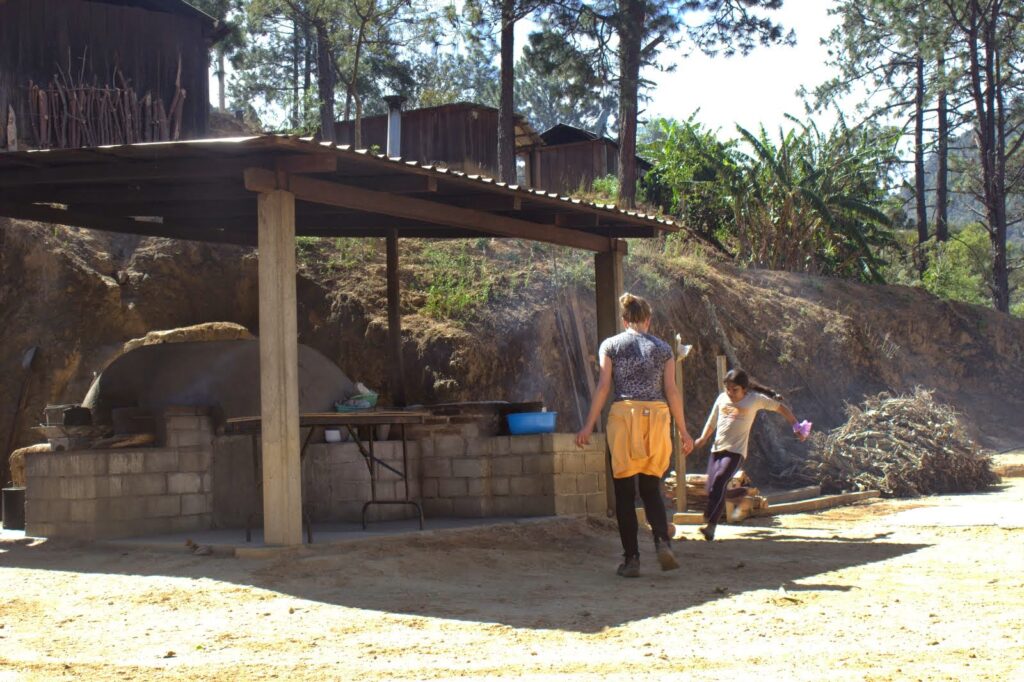
Gay-Antaki’s research in Oaxaca, Mexico, offers a cautionary example. In a wind-energy project and a small reforestation project, women were brought into climate programs through work that was often unpaid. They were included, but they were not given meaningful authority or greater access to economic opportunity. Existing patterns of property ownership and market access remained largely intact.
This is the difference between inviting people into the room and allowing them to shape the room. Representation matters, but it is not enough if budgets, land, technical expertise and final decisions remain controlled by the same institutions. At the same time, Gay-Antaki’s work resists portraying women in affected communities as passive victims. Women negotiate, adapt and transform climate policies so they make sense in everyday life. Their knowledge is not an optional cultural addition; it is part of what makes a policy workable.-
In New Mexico, the climate conversation is already tangible: extreme heat, drought, water insecurity, wildfire, stressed forests and the damage that follows fire, including flooding and erosion. These pressures reach food systems, housing, health, transportation and household finances. Yet a hazard does not become a disaster in the same way for everyone. A homeowner with savings, insurance and reliable transportation faces a different recovery than an older renter, a disabled person, a rural family with limited services or a community whose land and water have already been burdened by extraction.
Gay-Antaki points toward the knowledge already present in rural, Tribal and historically excluded communities. Long relationships with land, water and one another can produce forms of adaptation that are local, holistic and resourceful. Policymakers should not arrive only with a program to deliver. They should arrive prepared to listen, share authority, compensate expertise and support the priorities communities have already identified.
Beyond the ‘me-me-me’ version of environmentalism
Environmental messaging often turns a structural crisis into a personal virtue test: buy the correct product, recycle perfectly, drive less, feel guilty. Individual choices can matter, but Gay-Antaki cautions against the ‘me-me-me’ framing. Technology can help, too, but no device can decide who owns the benefits, who bears the pollution or whose home is treated as sacrifice territory. Those are political questions.
For a reader with only a few hours a month, meaningful action can begin close to home: support a community-led environmental or mutual-aid group; attend one public meeting where land, water, housing or emergency planning is being decided; ask whether affected residents hold actual authority; and help strengthen the relationships people will depend on during heat, fire or displacement. Before donating or volunteering, look at who leads the organization, who controls its resources, whether community members are paid for their expertise and whether the group reports back to the people it claims to serve.
Gay-Antaki’s newest work gives this structural argument a name: white carbon privilege. In a 2026 Oxford Intersections article, she examines how the white nuclear family became a powerful unit of consumption and security in the United States, supported by housing, labor and economic systems that excluded others. High-consumption lifestyles can appear private and ordinary while their environmental and reproductive costs are displaced onto communities of color.
Reproductive environmental justice widens the question beyond whether someone can have a child. It asks whether people can build families and communities in places that are safe, healthy and capable of sustaining a future. Gay-Antaki’s earlier work describes environmental injustice as something written on bodies as well as landscapes. When pollution, climate disaster or displacement makes a community’s future less possible, environmental harm and reproductive harm become inseparable.
Reasons for hope
Gay-Antaki sees reasons for hope in the growing presence of women and people from historically marginalized communities in climate research, organizing and international negotiations. Presence alone does not erase unequal power, but it can change the questions being asked and expose assumptions that once passed as neutral.
The deepest hope in her work comes from people refusing the idea that expertise moves in only one direction — from institution to community, from the Global North to the Global South, or from credentialed professional to resident. Climate solutions become more durable when lived experience, scientific knowledge and local relationships are allowed to challenge one another and build something better.
Imagine replacing a vast climate conference with a New Mexico kitchen table. The people usually pushed to the edge would sit at the center: those living with the consequences, those caring for others, those protecting land and water, and those whose families do not fit the narrow definitions institutions have historically favored. The important question would not be who was invited for the photograph. It would be who helped set the table, who chose the agenda and who will still be heard after the meeting ends.
That is the larger lesson for climate action — and for community itself. A fairer future is not delivered to people. It is built with them, one relationship, one conversation and one shared decision at a time.
Selected Research, Writing and Additional Resources
Miriam Gay-Antaki – UNM faculty profile. Biography and overview of her work in feminist geography, political ecology and climate governance
Gay-Antaki’s Oaxaca research. UNM summary of her research on gender, carbon markets and climate projects in Oaxaca
Embodied Geographies of Environmental Justice. Gay-Antaki’s 2023 article connecting environmental and reproductive justice
Oxford Intersections: Gender Justice. Includes Gay-Antaki’s 2026 article, From White Carbon Privilege to Reproductive Environmental Justice
Sexual Orientation and Gender Identity in the Global Climate Change Architecture. Williams Institute, 2026
Climate Change Risk for LGBT People in the United States. Williams Institute, 2024
New Mexico State Forestry Division. State information on climate-driven wildfire, forest and water-security risks
About LesbianEarth
LesbianEarth LLC is a privately-held media and community company connecting lesbian+ and queer women through trusted journalism, local events, travel, and digital experiences.
Founded in Albuquerque, New Mexico. Building community worldwide.
© 2026 LesbianEarth. All rights reserved.
Want to support queer women doing the work?
 Subscribe to Your Lesbian World
 Visit LesbianEarth.com
 Support Lesbian+ and Queer Women businesses
 Support Lesbian and Queer Women Events Say yes to something rooted, real, and built by us
We don’t need permission to exist.
We just need each other.
With love and fire,
Your Lesbian World / LesbianEarth