What Silence Holds: A Conversation with Nadia Orozco-Sahi
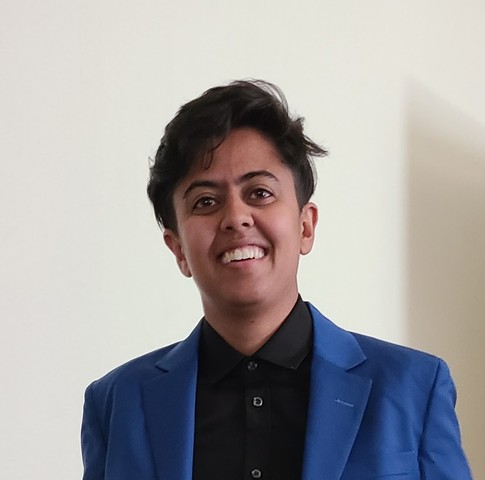
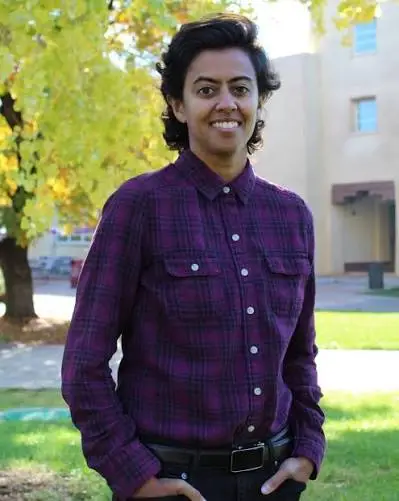
Nadia Orozco-Sahi is an academic librarian, educator, and prominent advocate for LGBTQ+ representation and equity in library systems. Currently serving as an Assistant Professor and Undergraduate Engagement Librarian at the University of New Mexico (UNM) Libraries, they developed the program The Quiet We Bury. They are intrigued by the complicated power of silence. Silence, to them, takes many forms. They say we can choose silence or the situation can force silence upon us. Silence is not always empty–it can be very restorative. And more importantly, sometimes silence is protection, while other times it can cause harm or injustice. And how at times when we choose not to be silent, we have the courage to speak.
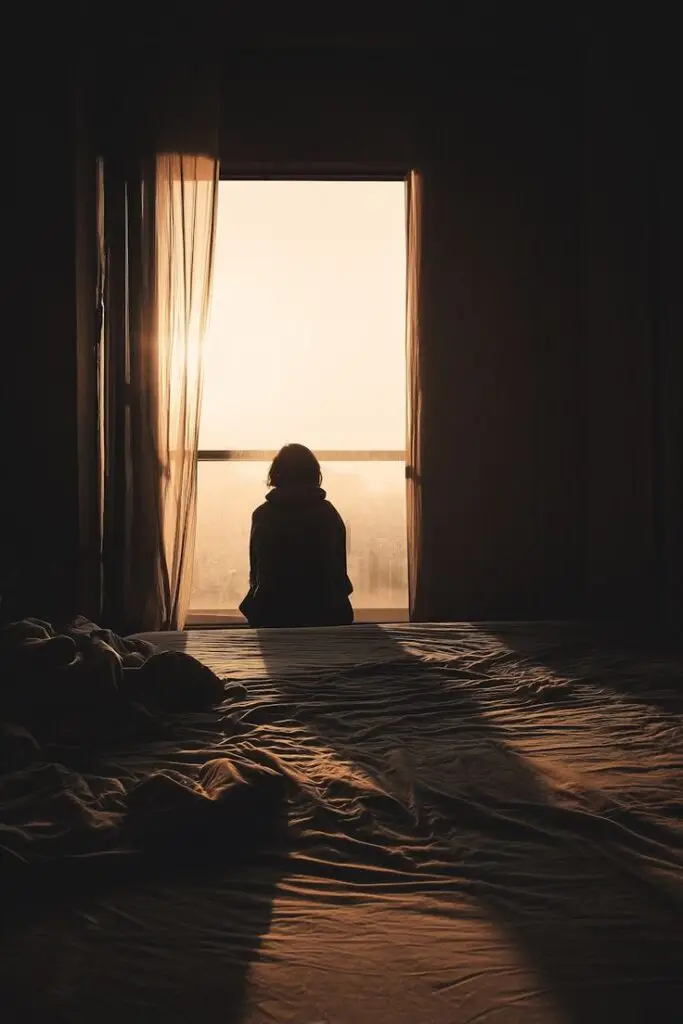
Orozco-Sahi said she has always been an introvert and loves places that are built to be quiet. When they began researching silence and architecture, she found that three places were often mentioned: libraries, prisons, and places of worship. These buildings are designed so you are quiet in them. For instance, they go on to say solitary confinement was designed to be a place of self-reflection. The thinking was that the prisoner in solitary confinement could reflect on what they did wrong and improve their actions in the future. “It was designed to reduce recidivism, and the idea was that it would be helpful to the prisoner.”
You must know what lane you are in, and you must stay in your lane. Regardless, you must consider not only your personal safety but also the safety of your community. Both types of protests are equally important. But you must know what type of protest or lane you are in and stay in that lane. Both lanes are equally important ways to protest. There are people who know which families are keeping their kids out of school. You can bring food to the families in need. Or you can offer a spare room to someone for safety. You can’t be out videotaping and then think you can bring food to a family while hiding because there is the possibility you will be followed by ICE agents. Especially if you just finished videotaping the ICE agents. Orozco-Sahi insists everyone must know their lane and really keep to their lane to keep everyone safe.
Orozco-Sahi said that sometimes you can learn a lot from stories passed down within a community to teach values. Growing up as a minority, you learn respectful behavior around the oppressor. This helps when you grow up and you learn very quickly how to judge a room and you get an intuition about who is safe and who is not. It is a secret power to know when you are safe. “I only speak when I have something to say, to make a contribution, otherwise I am quiet,” Orozco-Sahi says. Another example of the power of silence.
They went on to say that sometimes you must break your silence. “I have been very fortunate to have great mentors in my career, and these people really help me. Mentors are important to my development. But one time this person tried to take credit for being my mentor at a conference. This woman went on to say I was her “protégé.” Orozco-Sahi knew this was not true, and they went on to say, “I was very clear. I took ownership of my own accomplishments.”

I inquired what we should do with all the fragments of information we have currently. They said we must learn to be comfortable with uncertainty. “And who is to say what is the important information to save? We don’t even agree on what is important on what we have currently.” They think it is more important that people find the information interesting. “There is so much information in which they should be interested” in the area. The trick is to find the subjects or areas that speak to you and “enjoy the rabbit hole and go down and enjoy the information. Preservation is important, but that is for the historians.”
They think the Rainbow Round Table is an important resource because it connects our local libraries and communities with a national network dedicated to preserving LGBTQIA+ history and making trustworthy information easier to find with access to materials that reflect the lives of LGBTQIA+ people. This work is especially valuable at a time when many LGBTQIA+ stories and books are being forced from library shelves. By helping people see their histories and experiences represented, the Rainbow Round Table strengthens belonging—both locally and across the country.
Growing up, Orozco-Sahi was influenced by the work of Mary Jacobs. Her writing showed Orozco-Sahi that lesbian and East Indian people had always existed, even when their stories were left out of school discussions and history books. Finding those stories helped them feel less alone. When people can find themselves in books and archives, silence is broken—and they learn that their lives and stories belong.
Silence gives us time to reflect. But the way we can make sure the stories we tell ourselves are more positive is to be connected to a community. They went on to say, “The best way to change a story is to interact with other people.” Human relationships and community are how we question our incorrect beliefs and develop a stronger, truer sense of ourselves. “In our community, it is through conflict, conversations and growth that we get help amending our story.” They stressed that when we have conversations, we grow. Orozco-Sahi went on to say that it is impossible to do that work by yourself. We need human relationships to develop a stronger and truer sense of ourselves. But community gives us the ability to know when to leave silence and begin the conversation with others.
About LesbianEarth
LesbianEarth LLC is a privately-held media and community company connecting lesbian+ and queer women through trusted journalism, local events, travel, and digital experiences.
Founded in Albuquerque, New Mexico. Building community worldwide.
© 2026 LesbianEarth. All rights reserved.
Want to support queer women doing the work?
Subscribe to Your Lesbian World
Visit LesbianEarth.com
Support Lesbian+ and Queer Women businesses
Support Lesbian and Queer Women Events
Say yes to something rooted, real, and built by us
We don’t need permission to exist.
We just need each other.
With love and fire,
Your Lesbian World / LesbianEarth