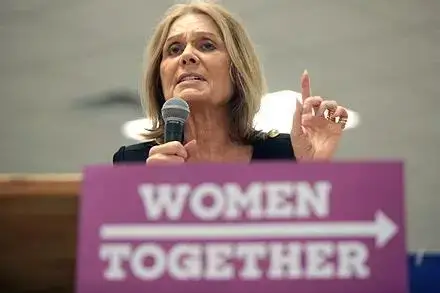
gloria-steinem-lesbian-queer-history-your-lesbian-world-newsletter-lesbianearth.jpg

Remembering Gloria Steinem’s legacy—from the first Ms. preview issue’s article about women loving women to her advocacy for lesbian and queer rights.

“Can Women Love Women?” Gloria Steinem and a Groundbreaking First Issue

Gloria Steinem, one of the most influential journalists and organizers in modern American feminism, died September 3 at her home in New York City. She was 92. Her death was announced by her foundation and confirmed by major news organizations, including Reuters. For more than six decades, Steinem worked for reproductive freedom, political representation, workplace equality and freedom from violence. She also supported lesbian rights and helped bring lesbian lives into a women’s movement that did not always welcome lesbian voices.

Her influence did not come from one speech, one article or one organization. It developed through journalism, political campaigns and the institutions she helped build. She understood that when women told the truth about their lives, experiences that had seemed private or isolating could become the beginning of collective action. Born in Toledo, Ohio, in 1934, Steinem entered journalism when most newsrooms were controlled by men and women were frequently assigned stories about fashion, food and homemaking. In 1963, she went undercover as a Playboy Bunny and documented the low pay, sexism and demeaning working conditions she encountered. The investigation raised her public profile, although she later described struggling to be taken seriously as a journalist after it appeared.

In 1968, Steinem helped establish New York magazine, where she wrote about politics and social movements.  Her early career and activism are documented by the National Women’s History Museum.

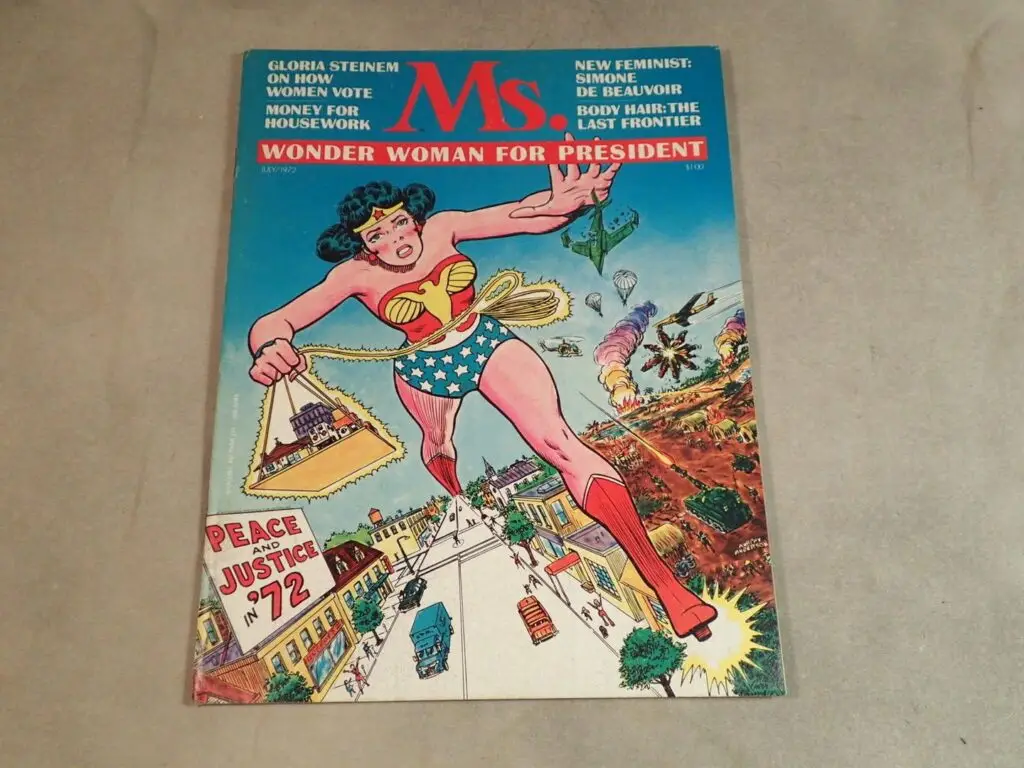
In 1971, Steinem and a group of journalists and editors began building Ms. magazine. Its preview appeared through New York magazine in December 1971, with the complete preview edition dated Spring 1972. The first regular issue followed in July 1972. Lesbian lives were represented from the magazine’s beginning, although not often. That Spring 1972 preview issue included “Can Women Love Women?”  an anonymous interview conducted by feminist writer Anne Koedt. Steinem later recalled that publishing professionals had warned the editors not to include an article by or about lesbians. At a time when opponents routinely tried to discredit feminists by labeling them lesbians, some people feared that lesbian visibility would make the new magazine too controversial.

gloria-steinem-first-Ms.-Magazine-lesbian-queer-history-your-lesbian-world-newsletter-lesbianearth.jpg
The first issue of Ms Magazine.

And once you hear her tell her story, it’s easy to understand why.  Goldberg’s journey didn’t begin under the bright lights of a comedy club or on a television soundstage. It began in the ordinary places that shape so many extraordinary lives—public schools, neighborhood restaurants, first jobs, and the everyday conversations that most people forget but comedians never do.

She remembers growing up in Albuquerque as part of what she now describes as a bubble. At the time, she didn’t recognize how unusual it was. Like many New Mexicans, she assumed everyone experienced the same sense of community, the same blend of cultures, the same easy conversations with strangers.

It wasn’t until she left that she realized Albuquerque had quietly been teaching her lessons that couldn’t be learned in a classroom. Those lessons had very little to do with comedy. They had everything to do with people.

The editors published the “Can Women Love Women?” article in the first edition anyway.

In her retrospective account of the magazine’s beginnings, Steinem explained that being told not to include lesbians only strengthened the editors’ determination to do so. Her recollection can be read in Ms. magazine’s history of its first issue.

That decision was significant, but it did not mean that lesbian representation was complete or consistently adequate. Lesbian writers and activists continued pressing feminist organizations and publications—including Ms.—to give lesbian lives greater visibility and to recognize lesbians as leaders rather than a political liability.
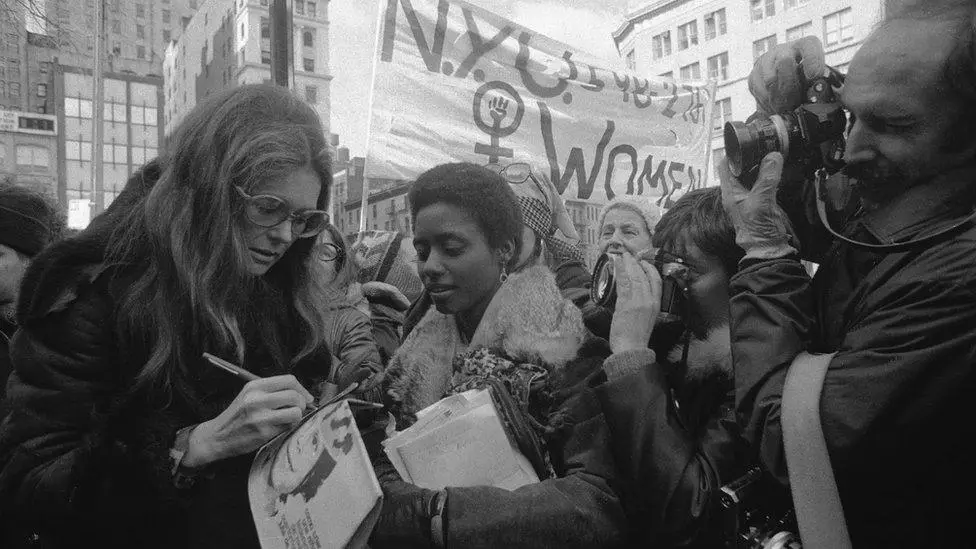
gloria-steinem-feminist-legacy-your-lesbian-world.jpg
Albuquerque native Dana Goldberg returns home for a performance at the historic KiMo Theatre.

The struggle was already reshaping the women’s movement. In 1970, lesbian activists calling themselves the Lavender Menace disrupted the Second Congress to Unite Women after lesbian organizations and issues had been excluded. Their protest helped force the movement to confront its own prejudice and recognize lesbian rights as a feminist concern. The NYC LGBTQ Historic Sites Project preserves photographs and a detailed history of that action.


Steinem’s support extended beyond the pages of Ms. In 1977, singer Anita Bryant led a campaign to repeal a Miami-Dade County ordinance protecting gay people from discrimination in employment, housing and public accommodations. Steinem traveled to Florida to campaign in support of the ordinance. Speaking later that year, she described Bryant’s campaign as creating an atmosphere of hatred and division. More importantly, she connected attacks on lesbians to the policing of all women who refused to conform to traditional expectations. She called lesbians “the most vulnerable group of women” and said that the word lesbian needed to become “as honorable as any other.” The original recording and transcript of those remarks are available through the Minnesota Public Radio Archive.

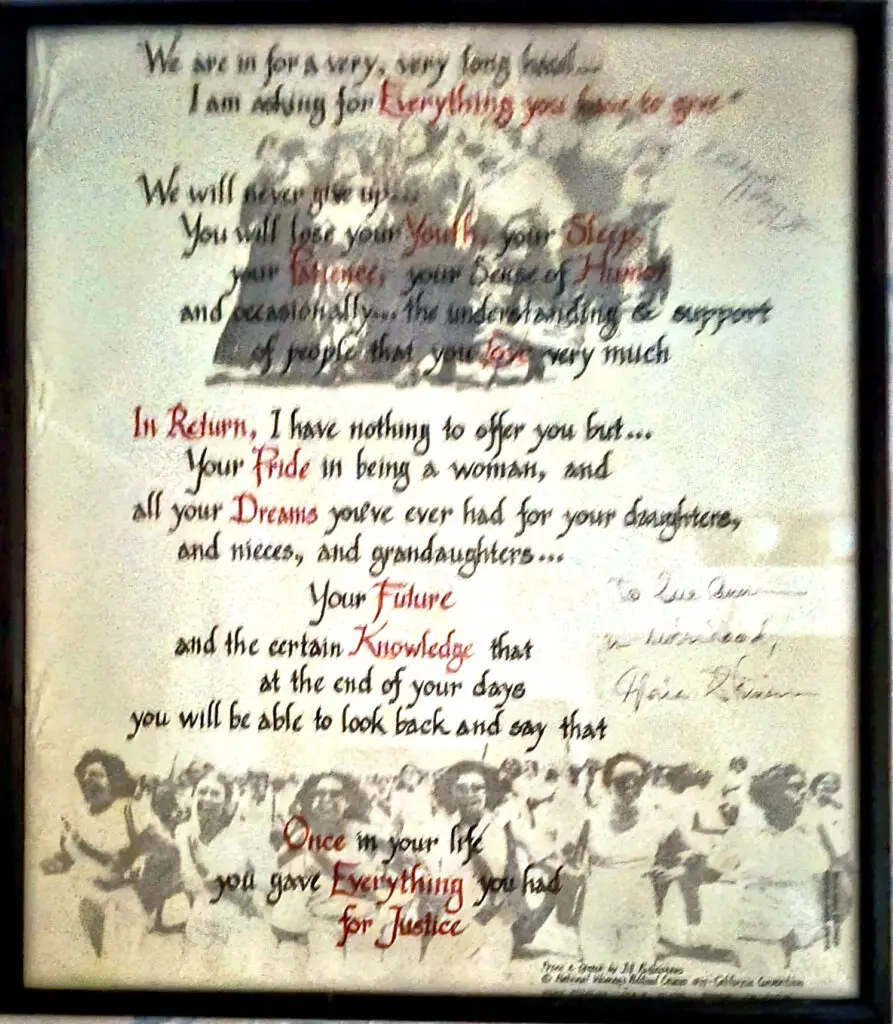
gloria-steinem-signed-poster-albuquerque-your-lesbian-world.jpg
An autographed copy by Gloria Steinem when she came to Albuquerque, New Mexico.

Steinem also participated in the historic 1977 National Women’s Conference in Houston, where delegates adopted a National Plan of Action that included protection from discrimination based on sexual orientation. At a time when open support for lesbian and gay rights still carried considerable political risk, she treated that equality as part of the broader struggle for women’s freedom.

GO Magazine remembered Steinem as a feminist who helped bring discussions of lesbianism, abortion, domestic abuse and gender roles into homes across America. In a revealing 2018 GO Magazine interview, musician and activist Elizabeth Ziff spoke with Steinem directly about lesbians, feminism and sexual orientation.

After the first issue of Ms. appeared, letters poured into its offices. Readers described the relief of seeing experiences that had rarely been treated seriously in national media. One message appeared repeatedly: “At last, I know I’m not alone.” That remains the heart of community-centered journalism. Representation is not simply seeing a familiar face on a page. It is discovering that your life matters, that your experiences belong in the public record and that other people may be waiting to find one another.

Steinem did not create feminism alone. Lesbian activists challenged exclusion. Women of color pressed feminism to confront racism. Disabled, Indigenous, working-class and transgender people demanded a broader understanding of liberation. Movements advance because many people contribute, argue, learn, organize and keep showing up.

Steinem’s place in that larger history is substantial. She used journalism to connect women, public visibility to open doors and organizing to turn conversations into institutions. Her work remains unfinished. So does the larger struggle to create a world in which lesbian+ and queer women can live openly, safely and fully. That responsibility now belongs to all of us.

About LesbianEarth

LesbianEarth LLC is a privately held media and community company connecting lesbian+ and queer women through trusted journalism, local events, travel, and digital experiences.

Founded in Albuquerque, New Mexico. Building community worldwide.

© 2026 LesbianEarth. All rights reserved.


Want to support queer women doing the work?

📰 Subscribe to Your Lesbian World
🌐 Visit LesbianEarth.com

❤️ Support  Lesbian+ and Queer Women businesses
🎉 Support Lesbian and Queer Women Events
❤️ Say yes to something rooted, real, and built by us

We don’t need permission to exist.
We just need each other.

With love and fire,
Your Lesbian World / LesbianEarth


Leave a Comment

Your email address will not be published. Required fields are marked *