
Mary Oishi
Your Lesbian World (YLW) newsletter recently had the opportunity to sit down with Mary Oishi to talk about her historic tenure as poet laureate, her dual voice as both protest poet and haiku practitioner, and the legacy she built during one of the most challenging cultural moments in recent history.
YLW: Albuquerque has seven poets laureate, but you are the only lesbian among them. Tell us about that.
Oishi: Yes, I hope someday I will be the first but not the only. It’s not lost on me that, as an out lesbian, when I step up to the podium, this title is not mine alone—it dignifies us all.
YLW: How did you become poet laureate? Did you have to apply?
Oishi: No, in fact I was so surprised early in 2020 when I received an email informing me that another poet nominated me—a straight man at that! I had to complete an extensive packet of information for the selection committee. I submitted it and expected to be called in for an interview. The pandemic struck right after. I was waiting to be contacted for a virtual interview, but nothing. So, I was really surprised a second time when I was notified by email that I was selected.
YLW: How was it to be poet laureate during the pandemic?
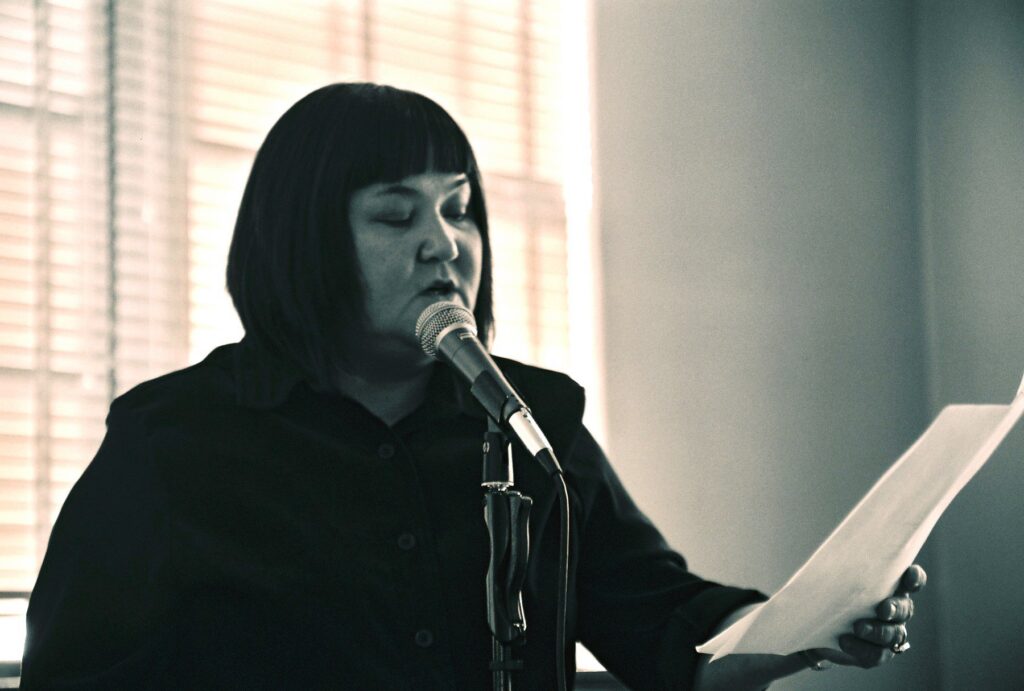
Oishi: Funny thing, I got the added moniker of “pandemic poet laureate.” It was a real challenge since the poet laureate project I proposed was the Poets in the Libraries Project. My plan was to have an established poet read at their neighborhood public library, followed by the librarian telling the history and services of that library, ending with an open mic for other poets in the area, including students from nearby schools.
My idea was to showcase our 19 amazing public libraries, one of the few remaining “commons” you don’t need a bank account to access. At the same time, I wanted to highlight the wealth of wonderful poets in our city—truly a poetry mecca. But by the time I was inaugurated, the libraries and schools were shut down. So, I had to adapt. I enlisted the City’s TV crew, and they videoed the featured poet reading and the librarian outside in front of the library. Then we did a Zoom reading with the open mic readers. They put the two segments together for each library.
Ultimately the challenge turned out to be a gift because now the City has a 19-video archive of the pandemic years on their YouTube channel, and then we published an anthology including most of the poets who participated. I edited the volume, One Albuquerque, One Hundred Poets, which won the 2023 New Mexico/Arizona Book Award.
YLW: Were you born in Albuquerque?
Oishi: No, I moved here at the beginning of 1999 to work at KUNM, the University of New Mexico’s public radio station. I was born in Lancaster, PA. My father was from a Mennonite family, but he was excommunicated for joining the military during WWII. After the war, he married my Japanese mother in Tokyo. Through a strange twist of fate, I ended up being raised by his brother who also left the Mennonites to marry an Appalachian “holy roller” whose parents met at a KKK rally. She and my uncle had eighth-grade educations.
YLW: How did that happen?
Oishi: It’s a very complex story. I’m finishing a memoir so I don’t need to keep repeating details.
YLW: Is that what you’re working on right now?
Oishi: Yes, that and more. I’m also working with a translator to complete a bilingual Spanish/English collection of many of my out-of-print poems as well as some new ones. We’re nearly ready to compile the manuscript.
YLW: Having your work translated—is this a first for you?
Oishi: Actually, many of the poems were already translated into Spanish as long as twenty years ago. Some were in an anthology of U.S. poets published in Mexico City in 2017. That volume was funded by the Mexico Ministry of Culture. In recent years, I had numerous poems published around the world and translated into seven different languages. Most of those were haiku.
YLW: You’re known for protest poems at rallies that get the crowd going. It’s surprising to think of you as a haiku poet.
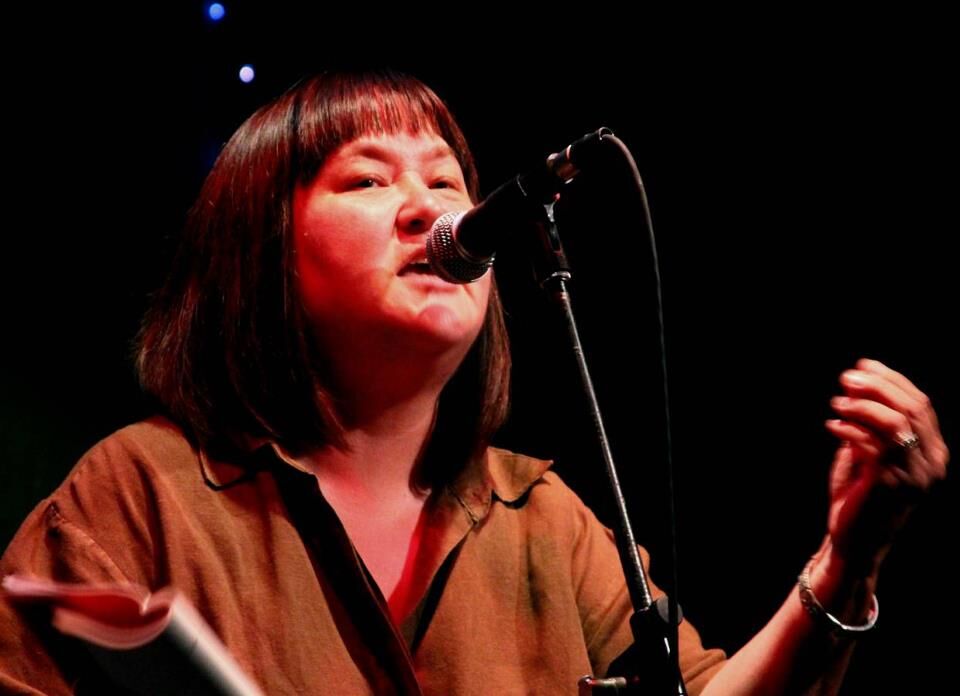
Oishi: I got that feedback from a publisher after I sent her a poetry manuscript. She said, “It’s like you’re two different poets. Some of your poems are stark, and some have the rousing musicality of anthems.” It’s true. My haiku voice is from nature, that is, my Japanese heritage, my ancestral voice. That other voice that gets the rally goers cheering is from nurture, from growing up in a Pilgrim Holiness Church in Appalachia. I preached my first sermon when I was seven, and that rally voice is the gospel preacher of my childhood.
YLW: Which voice have you been using the most lately?
Oishi: Other than poems I write for protests and those I take with me to writing groups, I’m mostly writing haiku for the past year or so. I have really immersed myself in modern English haiku—it helps me to stay centered these days. Haiku is widely thought of as any poem with a syllable structure of 5-7-5. But that’s not even close. Writing haiku is a wonderful practice that forces you to be present in the moment. That is an absolute necessity for me. As I get older, losses pile up—relationships end, friends and family members die or move away, there’s so much letting go. Clinging to the past is a sure way to stay sad, to have no joy in the present.

Then there’s the situation in the nation and the world. It’s a daily onslaught of triggers and trauma, getting us to constantly catastrophize—which paralyzes us just when we most need to stay empowered and organize and hold onto hope. It can be overwhelming.
But with “haiku mind” I notice the cicada shell under the tree and the clouds drifting ever so slowly and the roadrunner stopped in the middle of the street with his tail up. When I take a walk, there are haiku all along the path. I am appreciating the beauty in each moment. There’s not a day that passes, no matter what else is going on, that I am not here in my “one wild and precious life,” as the great poet Mary Oliver put it.
And when you capture the essence of a moment, even if it’s a sad moment, you suddenly transform it into art—a thing of immediate and immortal beauty. That’s why I write haiku almost daily.
YLW: Give us an example.
Oishi: Of a sad one?
YLW: How about one of each?
Oishi: Okay, this is a sad one. It was published in January of last year in Cholla Needles, a poetry journal, and then reprinted in the 2025 anthology of the Haiku Society of America:
porch light on
for my lost daughter
only moths come
This one is the natural world juxtaposed with a positive human experience, published last October on the Zen Peacemakers website:
waxing moon—
health returns
gradually
YLW: I see what you mean. What advice would you give to other poets or would-be poets?
Oishi: It’s important to keep in mind that in all human history there has never been another person with your exact DNA and life experiences, so you have a unique voice. Some people aren’t in a place where they can hear and appreciate that voice—it doesn’t speak to them. Don’t worry about them. Someone else’s voice will speak to them. There are others who, at this point in their lives, really need to hear your voice as only you can speak it. So keep using your voice for their sake. That understanding got me past taking any rejection of my work personally.
Years ago there was a poet in town who would listen to every other poet perform, but as soon as I got up to read he walked out—every time. After I came to this realization, the next time he walked out it didn’t bother me at all. I just told myself, “He’s just not in a place to hear my voice.”
After I was done with that reading, a woman in the audience came up to me and said, “May I have a copy of that poem ‘I will smoke again before I die’ to hang above my desk at work? If I’m having a bad day, I can read it and I’m sure it will help me get through the day.” That’s the power of using your voice regardless of those who are not in a place to hear it.
YLM: Will you share that poem with us?
Oishi: Yes, it’s in my out-of-print collection, Spirit Birds They Told Me (West End Press, 2011), but it will be included in the upcoming bilingual book.
i will smoke again before i die
but it will not be tobacco in my pipe
no, it will be old hurts consumed, ascending
wisping out into the ethers
it will be all those judgments
of who and what was good for me in life
who and what was bad
it will be all those times i
clung to people places and things
all those times i wearied
and wanted to let go–but couldn’t
it will be every useless worry
that never came to pass
it will be every quiet sadness
every disappointment
every insult
every shock
every hard cry
it will be all those false politenesses
all those heavy pressures to repress truths
will reduce to ash and blow away
gone all posturing and strutting just
to cover up the toxic shame infection
i will burn that shame to cinder too
my pipe will be fueled by all those barriers
that kept me so long from
loving this and that about myself
i will burn off all blaming, all projections
i will burn off all the anger and armor that came
from dreaming myself small or in danger
i will burn away excesses:
misinformation medication
illusions expectations
i will leave this life
lean and burned pure to the core
taking with me only what i brought
leaving behind a simple one syllable kiss
that the face of the world will know only as
love
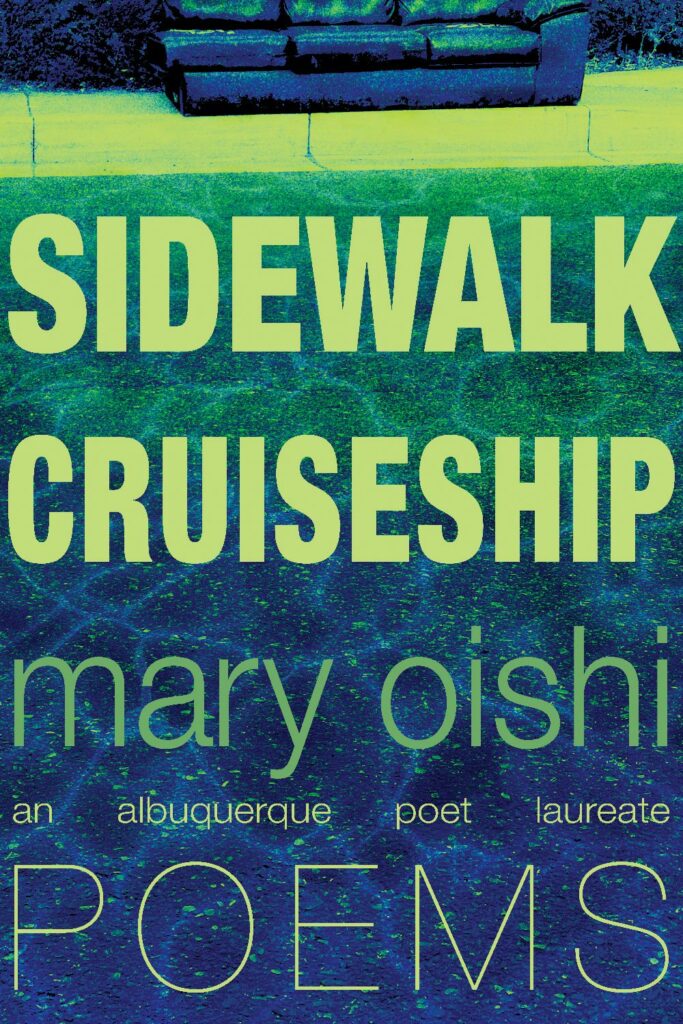
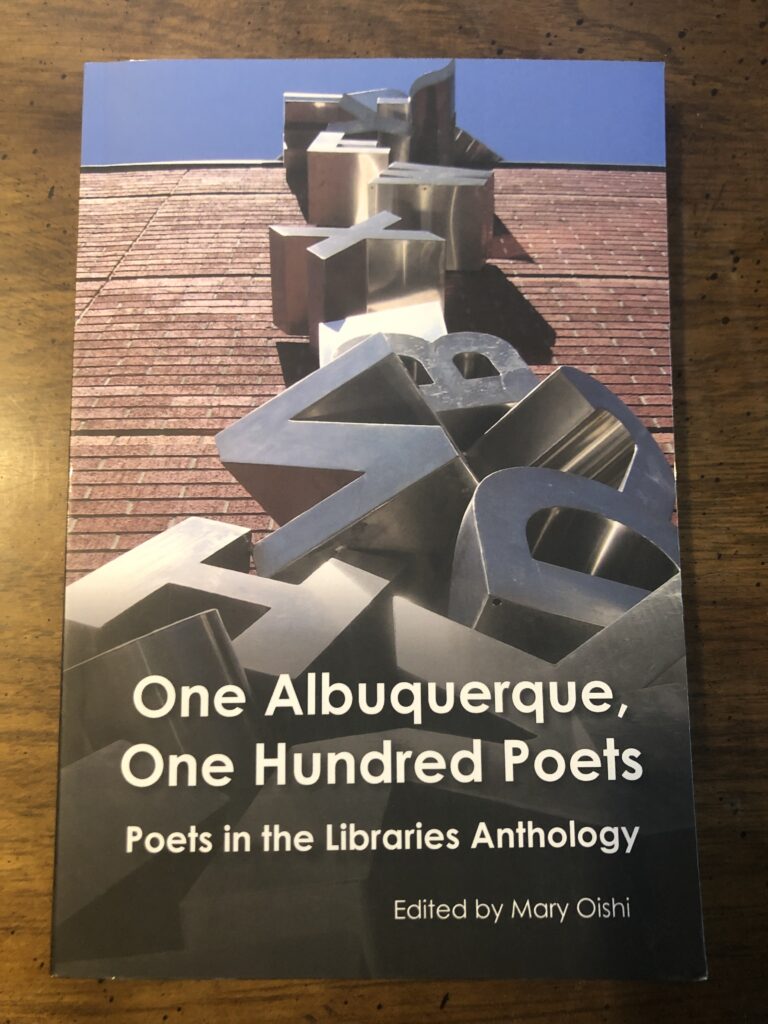
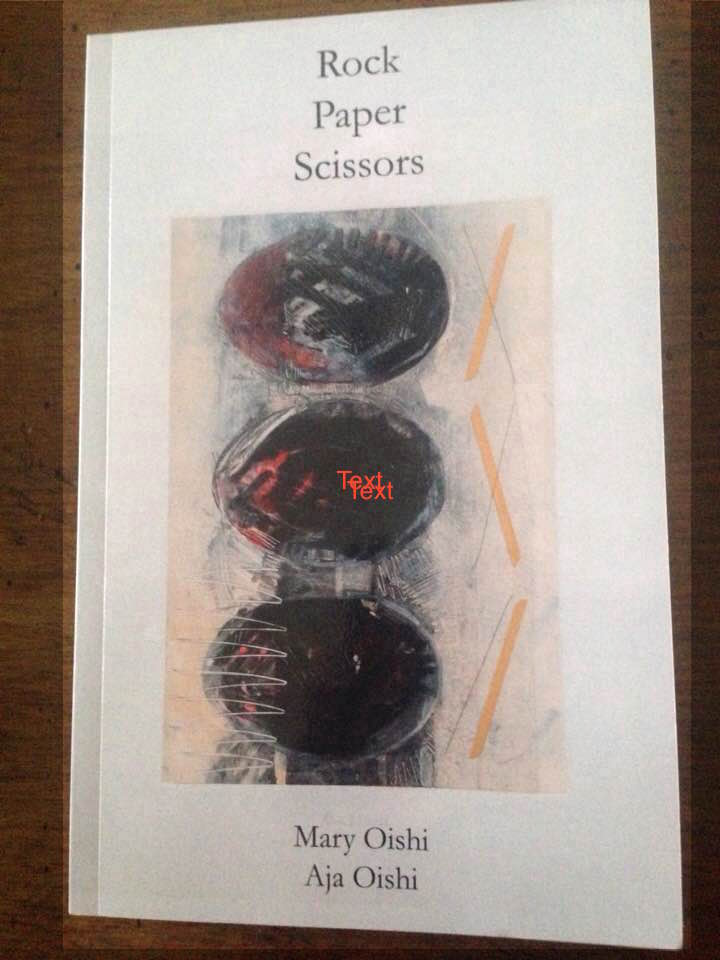
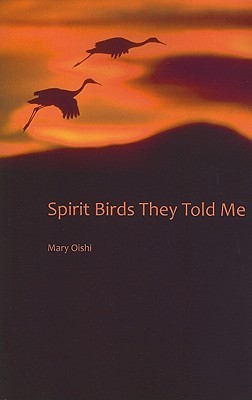
Mary Oishi is the author of four poetry collections, most recently Sidewalk Cruiseship (UNM Press 2024) Finalist – 2024 NM/AZ Book Award, One Hundred Poets, Editor – 2023 New Mexico/Arizona Book Award Winner for Poetry Anthology, Rock Paper Scissors, co-author (Swimming With Elephants, 2018) Finalist, 2018 NM/AZ Book Award, Spirit Birds They Told Me (West End Press, 2011).
Her work has been published internationally in ten countries and translated into eight languages.
Her work has been published internationally in ten countries and translated into eight languages.
She retired from a distinguished career in public radio, contributing both on-air and behind the scenes. For seventeen years, Oishi volunteered with a queer youth organization and played a key role in bringing the Safe Zone project to Albuquerque Public Schools.
In 2001, she also served as a delegate to the United Nations World Conference Against Racism.
Want to support queer women doing the work?
📰 Subscribe to Your Lesbian World
🌐 Visit LesbianEarth.com
❤️ Support Lesbian+ and Queer Women businesses
🎉 Support Lesbian and Queer Women Events
❤️ Say yes to something rooted, real, and built by us
We don’t need permission to exist.
We just need each other.
With love and fire,
Your Lesbian World / LesbianEarth