Marriage, Money, and a Move to the Right: Inside Jillian Michaels' Transformation
Jillian Michaels, once celebrated as a Lesbian fitness icon, is now making headlines for her sharp political turn to the right — and what’s at stake is how queer women are represented, divided, and even exploited in America’s culture wars.
For years, Michaels was the tough-love trainer from The Biggest Loser, a household name who sold workout DVDs, nutrition plans, and a brand built on sweat and transformation. As a Lesbian celebrity, she stood as one of the few visible queer women in mainstream media — proof, many thought, that progress was possible.
But by 2025, Michaels isn’t trending for wellness tips. Instead, she’s using her platform to weigh in on politics, reshaping herself as a culture-war commentator. For queer women, this pivot doesn’t just raise eyebrows — it raises alarms.

From Liberal Critic to Trump Voter
In 2016, Michaels openly criticized Donald Trump. She described herself as a proud liberal voice. But a few years later, she says she had her “red pill” moment — listening to a Joe Rogan guest on the COVID-19 lab leak theory. That moment, she claims, made her start questioning everything.
By 2024, she declared she had voted for Trump. She now brands herself “center right.”
And while Michaels frames this as personal evolution, it also reads like reinvention — the kind that keeps a celebrity relevant by tapping into a new, profitable audience.

From Fitness Trainer to Culture-Warrior
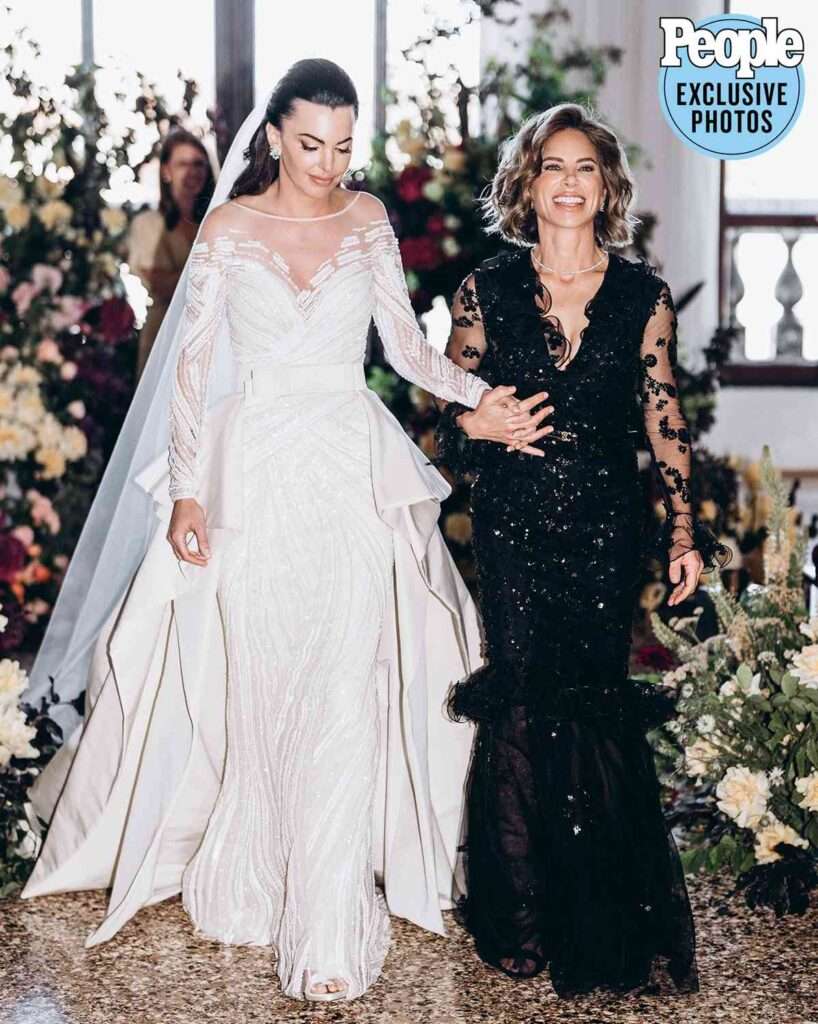
A New York Times profile hinted at another influence: her marriage to DeShanna Marie Minuto, a Trump supporter. Over time, Michaels began echoing her wife’s critiques of progressive spaces as “intolerant” and “hypocritical.”
But critics argue her shift is less about conviction and more about capital. Aligning with right-wing narratives has opened doors to media appearances, podcast traffic, and new revenue streams. It positions her not as a fading fitness trainer but as a fresh face in conservative commentary.
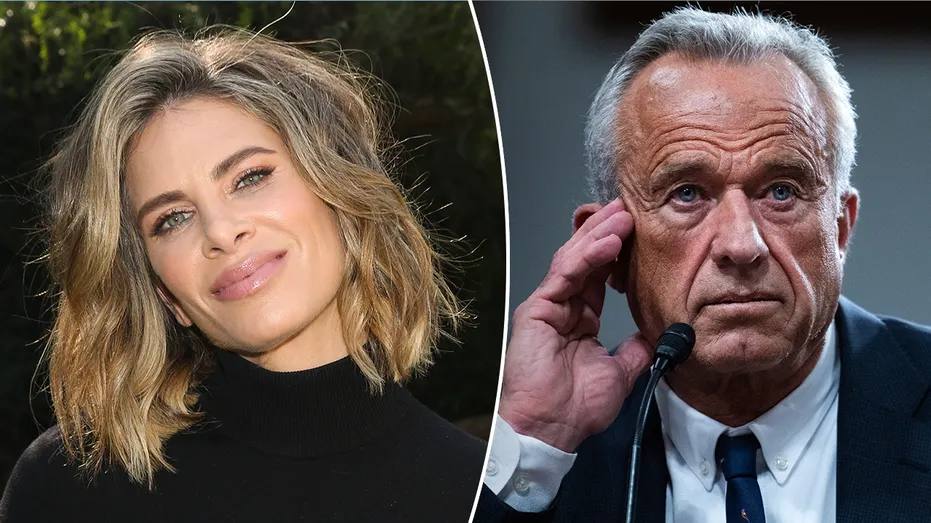
But Michaels has never been a food scientist, doctor, or policy expert. Yet today she’s weighing in on everything from vaccines to slavery to trans rights. She’s appeared on CNN echoing Trump-era talking points about the Smithsonian. She denounced Pride in the Daily Mail. She’s positioning herself less as a trainer and more as a voice for a new audience — one with deep pockets and hungry media outlets.
What changed? Not her credentials. Just her brand strategy.

The Problem with Cherry-Picked Representation
At first glance, having a married Lesbian woman on mainstream platforms might look like progress. But progress for whom?
Michaels embraces the part of her identity that’s marketable — being a white, cis, married Lesbian — while rejecting or undermining the rest of the queer community. She opposes gender-affirming care for children, argues against trans athletes, denounces Pride, and questions racial justice narratives.
This “pick and choose” solidarity tells the world: my visibility matters, yours does not. That fractures the LGBTQ+ community, leaving trans people, queer people of color, and youth more vulnerable while making Michaels herself more marketable.
And the danger is real. Politicians and media outlets can point to her and say, “See? Even lesbians agree,” while using her image to erase the very people her positions harm.
From Fitness Trainer to Culture-Warrior
Jillian Michaels’s evolution isn’t just about one celebrity. It’s a mirror for a bigger cultural tension: what happens when queer public figures align with politics that undercut the broader community — and profit while doing it?
For Lesbians disillusioned with mainstream progressive politics, her story may feel familiar. But we cannot confuse individual visibility with collective liberation.
Because real progress doesn’t come from a brand strategy. It comes from solidarity — standing together, not cashing in on division.
For lesbian and queer women, the lesson is clear: representation without solidarity is a dead end. True leadership doesn’t just take the stage — it stands with every part of our community: Lesbians, trans people, queer folks of color, elders, youth, everyone.
At the end of the day, Michaels may have found a new audience. But for the rest of us, the stakes are higher: will we let our stories be cherry-picked for profit, or will we insist on rising together?
Because we rise together — or not at all.