
Safety Is the Culture Here: Malta’s Approach to Crime and Care
Why Lesbians and Queer Women are looking to Malta —on an island that truly welcomes queer women. Walking alone after dark? Not only possible, but unremarkable. Violent crime is vanishingly rare. According to recent court records, the nation’s approach to justice leans toward rehabilitation and counseling over incarceration. “They don’t just throw people into cells,” one expat said, “they try to bring them back into the community.” Malta also has a great healthcare system and it is much cheaper than the United States. Beneath Malta’s conservative surface lies a fierce, feminist network of OB-GYNs and doulas—some of whom quietly prioritize the gynecological care of queer and Lesbian and Queer Women with empathy, discretion, and radical presence.
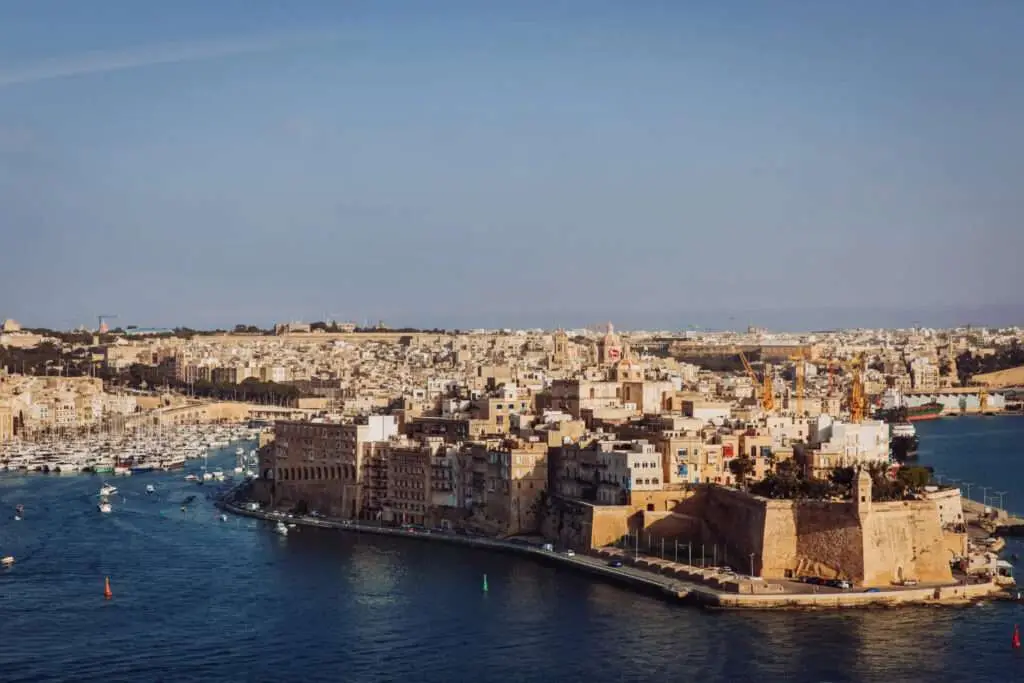
And because Malta is, quite literally, a handful of islands—there’s nowhere for serious criminals to hide. The community watches out for its own. Crime, when it occurs, is usually small-scale and swiftly addressed.
Reproductive Health: Quiet Resistance with Fierce Support
Malta’s laws on abortion remain among the strictest in the EU. But laws aren’t the whole story. A strong network of female OB-GYNs, abortion doulas, and community advocates has stepped into the gap, offering compassionate post-care and underground support—sometimes even for free.
It’s a cultural paradox: publicly conservative, privately defiant. The reproductive support system in Malta is led by people who aren’t hiding—they’re daring anyone to challenge their care. It’s a quiet rebellion, built on love and resilience.
In Malta, a quiet resistance has emerged—led by bold OB-GYNs and community doulas who provide affirming gynecological care, often centering Lesbian and Queer Women who’ve been left out of traditional systems.
LGBTQIA+ Rights: Built Into the Constitution
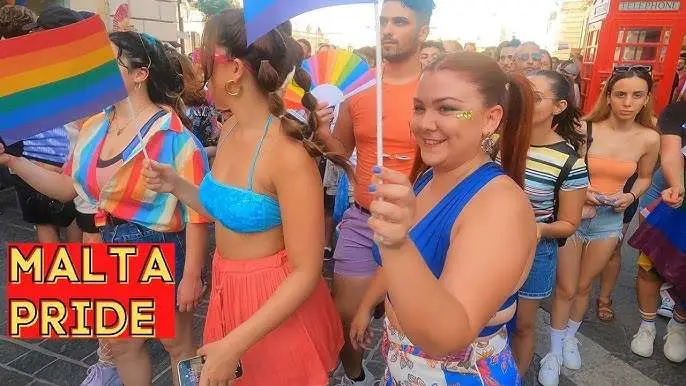
Malta ranks consistently in the top three LGBTQ+ safe countries in the world. But here, it’s not just pride flags in the plaza once a year—it’s written into law. Protections for LGBTQIA+ people are constitutional, and support networks like MGRM Malta organize regular events, language cafés, and programs specifically for queer migrants.
For trans citizens, gender-affirming care is not only available—it’s free. That care, alongside Malta’s thriving medical tourism reputation, makes it one of the best places globally for trans, nonbinary, and queer health services.

LBGTQIA+ Rights: Built Into the Constitution
Malta ranks consistently in the top three LGBTQ+ safe countries in the world. But here, it’s not just pride flags in the plaza once a year–it’s written into law. Protections for LGBTQ+ people are constitutional, and support networks like MGRM Malta. MGRM Malta, officially known as the Malta LGBTQ+ Rights Movement, is a non-governmental organization in Malta advocating for the rights and equality of LGBTQ+ people. MGRM Malta organize regular events, language cafes, and programs specifically for queer migrants. For trans citizens, gender-affirming care is not only available–it’s free. That care, alongside Malta’s thriving medical tourism reputation, makes it one of the best places globally for trans, nonbinary and queer health services.
Healthcare & Affordability: The Quiet Revolution
Malta’s healthcare system is ranked among the best in the world by the WHO—and yes, it’s dramatically cheaper than the U.S. Private insurance for a family of three with medical needs? About €300 and €700 ($350 to $820) per year. More comprehensive plans can range up to €1,500 ($1,750) per year.
per year if bought locally. Medications are also significantly cheaper, with a national formulary that keeps prices low.
And while residency requires pre-paying for a year of insurance (a common EU requirement), the peace of mind that comes with top-tier, humane healthcare? Priceless.
Expat Life: Strong, Supportive, and Growing
The expat population is vibrant and diverse—African, Indian, Eastern European, and increasingly, American. Areas like Msida, home to the University of Malta, are alive with international energy and queer-friendly communities. Online hubs like Facebook expat groups and channels like “Alex in Malta” on YouTube make it easy to connect before you even arrive.
The Fine Print: Visas & Starting Over
The most accessible path to residency? Student visas. Enroll in any certified course, secure housing and insurance, and show financial stability (about €12,000 in savings or proof of income). Other options include Malta’s Nomad Visa and the Global Residence Program, though legal assistance is strongly recommended.
The Verdict?
Malta isn’t a secret—but it is a sanctuary. A place where queer women can breathe, heal, and rebuild without looking over their shoulders.
It’s not perfect (no place is), but for those tired of fearing for their lives, their rights, and their futures, Malta might just be the kind of wild, quiet miracle you’ve been looking for.
And in a world like this, maybe that’s everything.
—
🧳 Want to learn more? Follow our LesbianEarth.com Expat Series for more country breakdowns, safety guides, and real talk from queer women living their next chapter abroad.